I’ve spent the better part of two decades in this industry. I started in the engine room—venue operations—where the primary focus was on floor plans, catering logistics, and ensuring the AV guy didn't trip over a power cable. From there, I moved into production for B2B conferences and eventually spent years helping UK event organisers and agencies navigate the messy, often misunderstood transition to hybrid rollouts. Throughout all of it, I’ve seen a recurring, expensive, and frankly annoying pattern: the "hybrid as an add-on" failure mode.
When I advise teams today, I often see the same mistake: they treat virtual participation as a digital "afterthought" while sinking 90% of their budget into the physical venue. They treat a single livestream as a "hybrid event" and wonder why their virtual engagement metrics are abysmal. If you are under-investing in hybrid, it’s not because you’re cheap; it’s because you’re viewing your event as a physical experience that you’re "broadcasting" to people in their pajamas. That, my friends, is why your hybrid strategy is failing.
The Structural Shift: Why "In-Person Only" is a Liability
The structural shift we’ve seen over the last few years isn't just a temporary reaction to lockdowns; it’s a permanent shift in how audiences consume information. Today’s professional attendee values flexibility above almost everything else. If you force a choice between a two-day physical slog and a curated, flexible hybrid experience, don’t be surprised when your middle-management tier chooses the latter.
However, the industry has become lazy with its terminology. When an agency tells me they are doing "hybrid," but their entire agenda is optimized for someone sitting in a ballroom in London, they aren't doing hybrid. They are doing a broadcast of an in-person event. Those are two very different things.
The "Hybrid as an Add-on" Trap
Why do event https://businesscloud.co.uk/news/the-hybrid-events-boom-how-smart-event-companies-are-capitalising-on-a-9-billion-opportunity/ businesses under-invest in hybrid? It usually boils down to a fundamental misunderstanding of the virtual attendee journey. Most budgets are allocated to look "flashy" on-site—the stage design, the keynote speakers, the gala dinner. The virtual platform is often selected based on the lowest licensing cost, without considering the user interface (UI) or the accessibility of the tools.
When you design your event as an in-person-only experience with a webcam at the back of the room, you are guaranteeing a second-class experience for your virtual delegates. They become passive observers. Passive observers don’t return. They don’t engage with sponsors, and they certainly don’t renew their tickets next year.
The "Second-Class Experience" Checklist
If you find yourself nodding to any of these warning signs, you are currently under-investing in your virtual infrastructure:
- The "Lobby" Problem: Are virtual attendees staring at a static countdown clock for 30 minutes while the room drinks coffee? Audio Issues: Can the virtual audience hear the audience Q&A, or do they just see the speaker answering a question they can’t hear? The "Broadcast-Only" Gap: Is there a dedicated host or moderator for the virtual audience, or are they just watching a stream? Networking Segregation: Are your virtual attendees stuck in a Slack channel while the in-person attendees are networking over lunch? Content Pacing: Is the agenda packed with back-to-back 60-minute sessions that ignore the fact that virtual attendees have home distractions?
Designing for Parity: The Role of the Right Toolkit
To fix the investment gap, you need to shift your spend toward the platforms that actually bridge the gap. It’s not just about getting the video feed from point A to point B. It’s about creating a unified experience.

You need to be investing in two distinct, yet integrated, categories of software:
Live Streaming Platforms (The Delivery Layer): These need to offer low latency and high reliability. If your stream lags, your audience leaves. Period. Audience Interaction Platforms (The Engagement Layer): This is where the magic happens. These tools (like Slido, Menti, or proprietary embedded widgets) should be treated as the "digital nervous system" of your event. Feature The "Add-on" Approach The "Integrated" Approach Q&A In-person attendees only. Moderated, unified stream from both physical and virtual inputs. Networking Virtual attendees have a chat box. Virtual-only breakouts, 1-on-1 video matching for everyone. Sponsorship Logo placement on a banner. Digital booths, lead generation, and interactive demo time. Moderation Solo presenter. Dedicated "Virtual Host" guiding the remote experience.The Question That Keeps Me Up: "What Happens After the Closing Keynote?"
This is the litmus test for any event strategy. I’ve seen hundreds of events where the closing keynote finishes, the house lights come up, and the virtual stream simply cuts to black or a "Thank You for Watching" slide.
If you think the event ends when the speaker steps off stage, you’ve fundamentally missed the opportunity that hybrid provides. The content shouldn't end; it should evolve. Are there follow-up workshops? Exclusive Q&A segments for the virtual audience that weren't captured in the main room? Are you using the virtual platform to host the resource library for the next six months? What happens after the closing keynote determines the lifecycle value of your event.
Metrics Over Fluff: Addressing the "Vague Claims" Problem
One of my biggest pet peeves is event organizers boasting about "reaching 5,000 people." That is a vanity metric. If 4,900 of those people dropped off after 3 minutes, you didn't reach them; you annoyed them.
When you start investing properly in hybrid, you need to demand better metrics from your tech stack:
- Average Engagement Time: How long are they actually watching? Segmented Interaction Rates: Are virtual attendees asking questions? Are they clicking on sponsor links? Drop-off Points: Where do your virtual attendees quit? (Hint: It’s usually when the speaker turns their back to the camera to look at a slide).
If your vendor can’t give you these metrics, you’re flying blind. You are essentially burning cash without knowing if it’s fueling an engine or just heating the room.
Conclusion: Stop Building "Broadcasts"
The reason event businesses under-invest in hybrid is that they are afraid of the complexity. It is far easier to book a hotel ballroom and pray for good coffee than it is to orchestrate a dual-stream production where the virtual audience feels as important as the person in the front row.
But the market is moving on. If you continue to treat the virtual attendee as an inconvenient guest who "happens" to be watching, your events will become increasingly irrelevant.
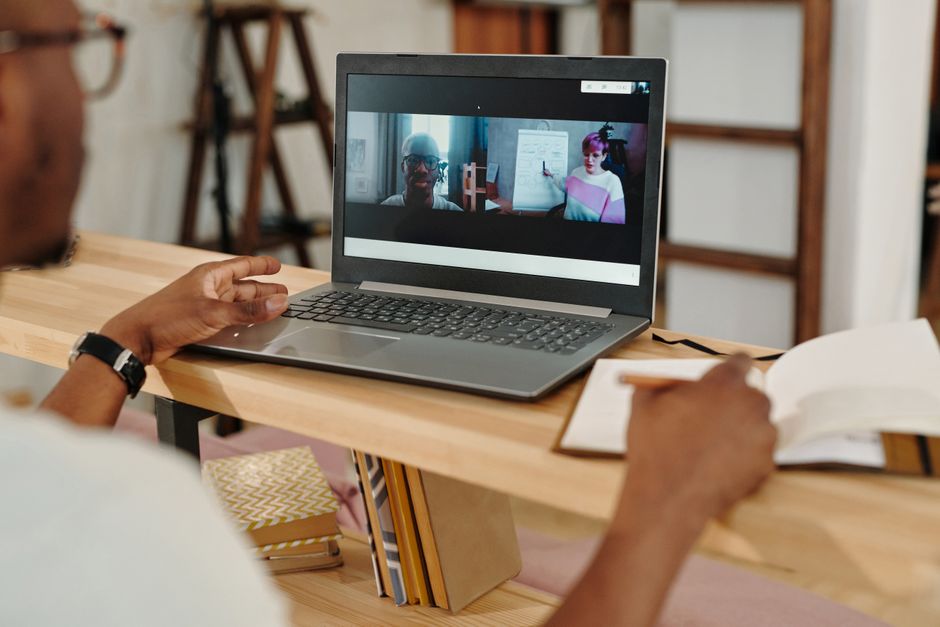
My advice? Start small if you have to, but commit to parity. If you provide a handout in the room, provide a digital version in the app. If you have a networking session on-site, ensure there is a facilitated version for your virtual delegates. Stop calling a single livestream "hybrid." Stop looking for shortcuts, and start designing an audience journey that lasts longer than the closing keynote.
After all, the technology exists. The audience is there. The only thing missing is the willingness to treat your virtual attendees with the same respect—and budget—as your physical ones.