During my nine years in retail banking, I sat across from hundreds of people who felt like their finances were a house of cards. When a paycheck was steady, they felt in control. The moment a commission check dipped or a freelance gig went quiet, the panic set in. The first thing to go? Usually, it was anything that brought them joy. They’d cancel every streaming service, stop seeing friends for coffee, and lock down their wallets so tightly that life started to feel like a prison sentence.
I hated watching that. As a budget coach, I’ve learned that the goal isn't to eliminate fun when the numbers shift; the goal is to create a flexible budgeting system that turns your disposable income into a deliberate decision space. Whether you’re on a salary, an hourly wage, or a fluctuating freelance income, entertainment isn't an "extra" you have to gut. It’s a category that deserves to be managed with the same respect as your utility bills.
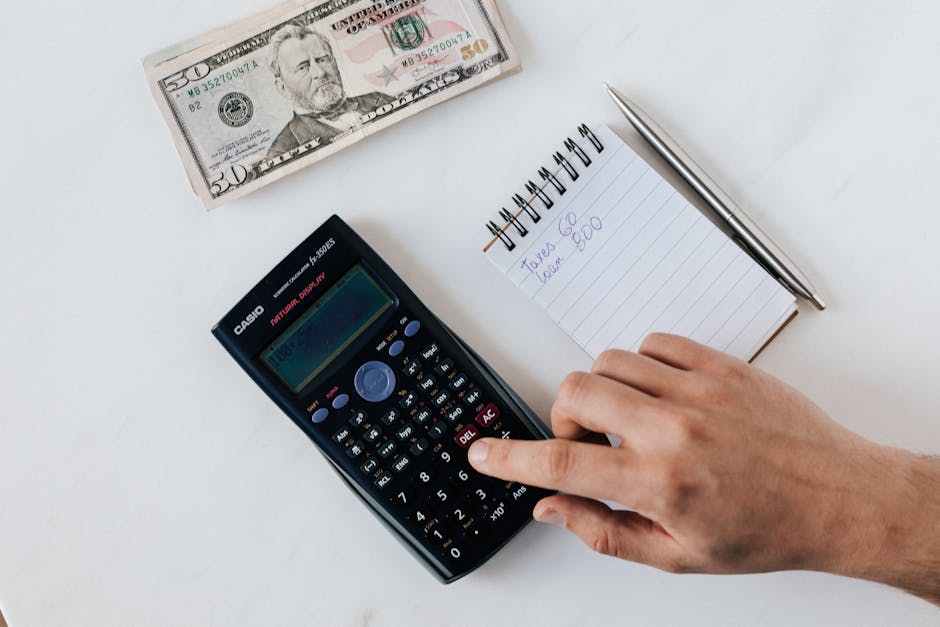
The Concept: Disposable Income as Decision Space
Most people treat "disposable income" like a bucket they reach into blindly. If there’s money left at the end of the month, they spend it. If there isn't, they panic. This is the root of the "all-or-nothing" cycle that ruins financial health. Instead, I want you to view your disposable income as a decision space.
When you have a high-income month, your decision space is large; you have more room for spontaneous experiences. When your income fluctuates downward, your decision space shrinks. The trick is to narrow your options *before* you run out of cash, rather than cutting the entertainment category entirely.
The Weekly 10-Minute Money Check-in
I am a stickler for consistency. Every single week—for me, it’s Thursday mornings—I spend exactly ten minutes looking at my accounts. I don't obsess over every penny. I don't shame myself for that extra movie rental. I simply look at what happened and project what needs to happen next.
If you don't have a weekly check-in, you are essentially driving your financial car blindfolded. During this check-in, you aren't just looking at the past; you are building your income fluctuation plan. You are looking at your banking app and asking: "Based on what I know is coming into my account this week, how much decision space do I have for entertainment?"
The "Planned vs. Unplanned" Method
In the margins of my own budget notebook, I am constantly scribbling "planned vs. unplanned." When you see your bank statement, mark every entertainment expense as one of these two. This tells you exactly where your money is leaking.
Expense Category Planned (The Intention) Unplanned (The Impulse) Streaming Services Fixed cost, budgeted monthly. N/A In-App Purchases Pre-loaded game credit ($20 limit). Mid-game purchase of "power-ups." Concerts/Events Tickets bought 2 months out. Night-of drinks/merch at the venue. Mobile Payments Budgeted coffee/social app funds. Peer-to-peer sending for "forgotten" tabs.Creating Your Income Fluctuation Plan
To keep entertainment steady when the paycheck changes, you need to decouple your spending from your emotions. If you rely on "how you feel" about your bank balance to make spending decisions, you will either overspend or live in fear. Use a budgeting platform like YNAB, Monarch, or even a simple spreadsheet to assign "buckets" for your entertainment.
1. Establish Your Floor
What is the absolute minimum you need to feel like a human being? For some, it’s one streaming subscription and one book a month. For others, it’s a weekly coffee date. This is your "floor." When your income takes a hit, you don't eliminate the entertainment category; you revert to the floor.
2. The "Buffer" Strategy
When you have a high-income month, don't rush to upgrade your lifestyle. Take a portion of that surplus and move it into an "Entertainment Buffer" account. This is a separate savings sub-account. When a lower-income month balance saving and fun hits, you pull from the buffer to keep your entertainment spending exactly where you like it. This is the secret to consistency.
Small Limits Before Big Changes
I see so many people try to overhaul their entire financial life in one weekend. They cancel every app, delete every payment method, and swear off all fun. It lasts for three days, they get "financial burnout," and then they binge-spend on Saturday night. That is the definition of a failed strategy.
Instead, apply one small limit at a time. Here is my favorite starting point:
The App-Store "Pause": If you are prone to mobile game spending or microtransactions, remove your saved credit card from your phone’s app store. You can add it back when you want to make a purchase, but that 30-second delay forces you to acknowledge the purchase as an active decision, not a passive reflex. Subscription Audit: Look at your banking app's "recurring payments" list. Pick one service you haven't used in 14 days and pause it. Don't cancel it yet—just pause. If you don't miss it in a month, *then* cut it. Cash-Back for Entertainment: If your banking app offers rewards, don't let them sit in the account. Apply them toward a specific "fun" expense. Treat that reward money as your "unplanned" fund so it doesn't touch your main budget.Managing Entertainment as a Fixed Category
We need to stop treating entertainment as a "leftover" expense. If you treat it as a priority—because your mental health and enjoyment of life are priorities—you will build a budget that supports it regardless of your income fluctuation. Use your banking apps to set custom alerts. For example, set a notification that triggers when your entertainment spending category hits 75% of your allocated budget for the month. This isn't a "stop" sign; it's a "slow down and look" sign.
Why Shame is the Enemy
If you spend $50 on a dinner and you didn't plan for it, don't spend the next week beating yourself up. Shaming yourself for enjoying your life is the fastest way to make yourself hate budgeting. Instead, categorize it as an "unplanned expense," note it in the margins of your tracker, and adjust your next week’s spending slightly to compensate. It’s math, not a moral failure.
Steps to Take This Week
If you want to move from financial reactive-ness to proactive control, do these three things during your next 10-minute money check-in:
- Review the last 30 days: Categorize your entertainment spending into "Planned" and "Unplanned." Set your "Floor": Identify the one or two entertainment expenses you refuse to give up, even in a bad month. That is your non-negotiable floor. Identify one small limit: Choose one area (like mobile game spending or recurring memberships) and apply a restriction, like removing saved payment info or setting a dollar-amount notification alert.
Consistency isn't about being perfect; it’s about having a system that can handle the waves of life. When you stop fearing income fluctuations and start planning for them, you reclaim your decision space. You stop being a person who is "out of money" and become a person who is making intentional choices about what matters most. That’s not just budgeting—that’s living.